
Protect clinical output from water risks
Reliable diagnostic results start with reliable water
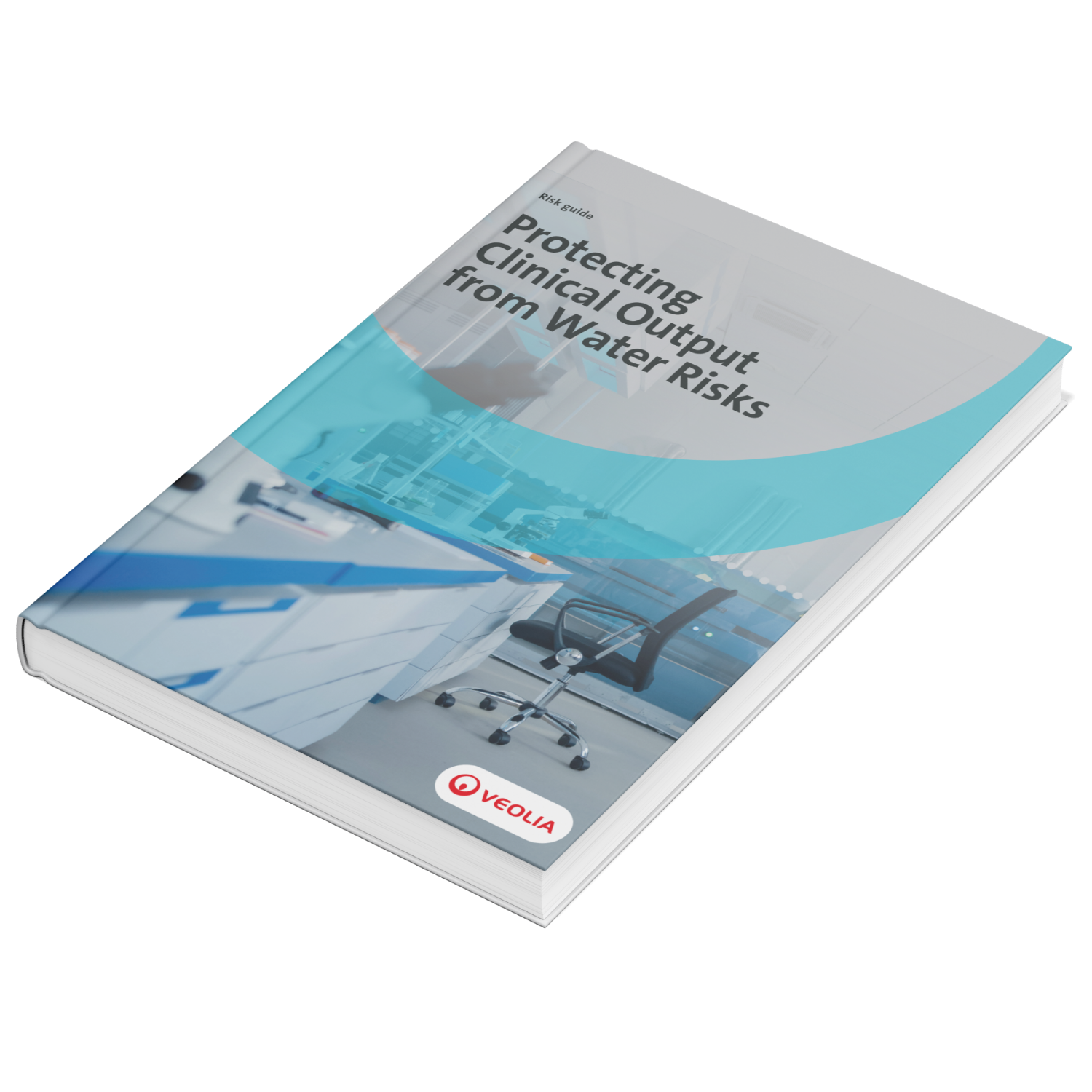
Every day, hundreds of patients rely on the quality of the results generated by your clinical analyzers. But behind every analysis lies a critical element that is often overlooked: water.
Poor water quality can lead to:
-
Repeat tests
-
Analyzer downtime
-
Increased maintenance costs
-
Additional reagent consumption
-
Delayed patient results
-
Reduced laboratory efficiency
When patients rely on you, these are risks you simply cannot afford.
Download the guide
What will you learn?
How to identify and mitigate water-related risks in your laboratory
This practical guide explains how water quality affects clinical analyzer performance and provides actionable recommendations to help you:
✔ Ensure consistent and reliable analytical results
✔ Minimize downtime and maintenance interventions
✔ Meet CLRW quality requirements
✔ Protect patient safety and your laboratory's reputation
✔ Improve operational efficiency
Why water matters
Water is involved in almost every stage of the analytical process:
💧 Sample preparation
💧 Reagent dilution
💧 Probe washing
💧 Incubator baths
💧 Cuvette cleaning
Contaminants such as particles, ions, organics and microorganisms can affect analyzer performance and compromise result quality. Understanding these risks is the first step toward preventing them.